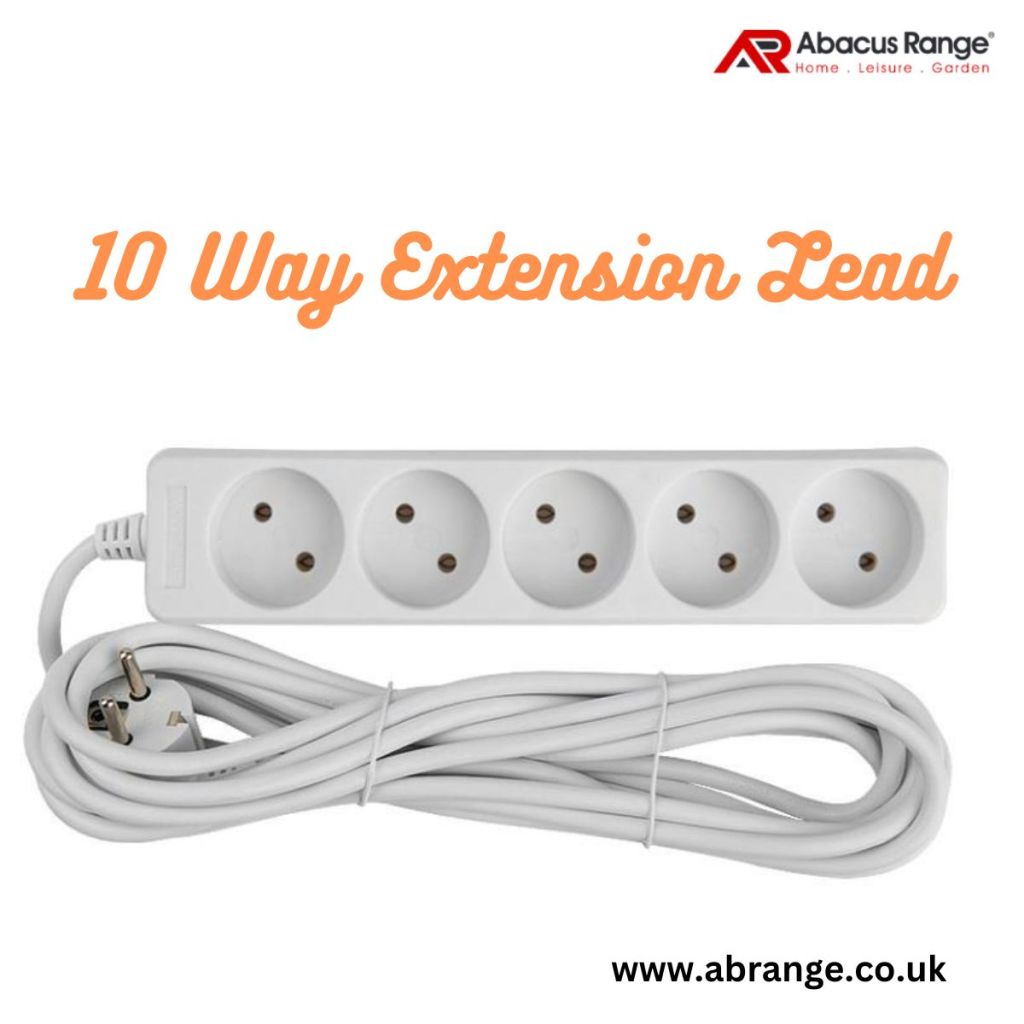
Introduction:
- Introduce the importance of 10 way extension lead in our daily lives
- Highlight the need for efficient and safe usage of extension leads
- Engaging statistics or examples of common extension lead usage scenarios
Understanding Extension Leads
- What are extension leads? Definition and basic functionalities
- Types of extension leads (standard, surge-protected, competent)
- Key components and features of a typical extension lead
- Choosing the Right Extension Lead
- Assessing your power needs and wattage requirements
- Evaluating the length and number of outlets needed
- Considerations for Indoor and outdoor usage
- Safety certifications and compliance standards to look for
Safety First: Proper Usage and Precautions
- Importance of reading the user manual
- Preventing overloading and power surges
- Keeping 10 way extension lead away from water sources
- Inspecting for damages and wear regularly
Organizing Cables and Managing Clutter
- Cable management tips for a neat setup
- Using cable organizers, ties, and clips
- Hiding extension leads to a clean and aesthetic look
Maximizing the Efficiency of Your Extension Lead
- Positioning the extension lead for optimal performance
- Avoiding unnecessary cable tangling and twisting
- Using extension leads as power hubs strategically
Extension Leads for Home Entertainment Systems
- Setting up extension leads for TVs, gaming consoles, and audio systems
- Surge protection for valuable electronics
- Cable management solutions for a clean entertainment area
Extending Power Outdoors: Garden and Patio
- Weather-resistant extension leads for outdoor use
- Installing outdoor extension leads safely
- Powering garden tools and decorative lighting
Extension Leads in Home Offices
- Organizing cables for computers, printers, and peripherals
- Surge protection for sensitive electronics
- Cable length considerations for flexible setups
Smart Extension Leads and Home Automation
- Introducing bright extension leads and their capabilities
- Voice-controlled power management with virtual assistants
- Energy monitoring and usage tracking features
Travel-Friendly Extension Leads
- Portable and compact extension lead options
- Universal power adapters for international travel
- Safety tips when using extension leads abroad
DIY Extension Lead Solutions
- Creating custom-length extension leads
- Repairing damaged extension leads safely
- Upcycling extension leads to other purposes
Extending Extension Lead Lifespan
- Proper storage and maintenance practices
- How to clean extension leads effectively
- When to replace an extension lead
Frequently Asked Questions (FAQs)
How many devices can I plug into an extension lead?
The number of devices you can plug into an extension lead depends on the lead’s power rating and the power requirements of the devices you want to connect. Each extension lead should have a maximum power rating mentioned on its label or in the user manual. This rating indicates the total wattage or amperage the extension lead can handle safely.
Are extension leads safe for long-term use?
Extension leads are generally safe for long-term use when used properly and regularly. However, several factors contribute to the safety of using extension leads over an extended period. Here are some key considerations:
- Quality and Certification: Investing in high-quality extension leads from reputable manufacturers is essential. Look for extension leads that have those issued by organizations like UL (Underwriters Laboratories) or CSA (Canadian Standards Association).
- Inspect for Damage: Regularly inspect the extension lead for any signs of wear, damage, or frayed wires. If you notice any issues, discontinue use immediately and replace the information. Damaged extension leads can be hazardous and may cause electrical shocks or fires.
- Proper Usage: Always follow the manufacturer’s guidelines and recommendations for usage. Avoid overloading the extension lead with more devices than designed to handle. Overloading can lead to overheating and potential fire hazards.
- Avoiding Water Contact: Keep extension leads away from water sources to prevent electrical hazards. Using extension leads outdoors in wet conditions or using them with wet hands should be avoided.
Can I plug an extension lead into another extension lead?
Plugging one extension lead into another, also known as “daisy-chaining,” is generally not recommended and is considered unsafe. While it may seem like a convenient way to extend the reach of your power source, it poses several safety risks:
- Overloading: Each extension lead has a maximum power rating indicating the total wattage or amperage it can handle safely. When you connect one extension lead to another, you increase the load on the first extension lead. Suppose the combined power requirements of all the devices connected through the chain exceed the capacity of the initial extension lead. In that case, it can lead to overloading, overheating, and potentially cause a fire.
- Voltage Drop: Daisy-chaining extension leads can cause a voltage drop along the chain, especially if it’s a long chain or if the extension tips are of poor quality. A voltage drop can affect the performance of your connected devices and may even damage sensitive electronics.
- Cable Hazards: The daisy-chained arrangement can create cable clutter and tripping hazards. Long extension lead chains can be challenging to manage and may lead to accidents or damage to the extension leads.
Conclusion
- Recap the importance of extension leads in modern life
- Emphasize the significance of proper usage and safety
- Encourage readers to implement the outlined tips for a more efficient setup

 Site Title